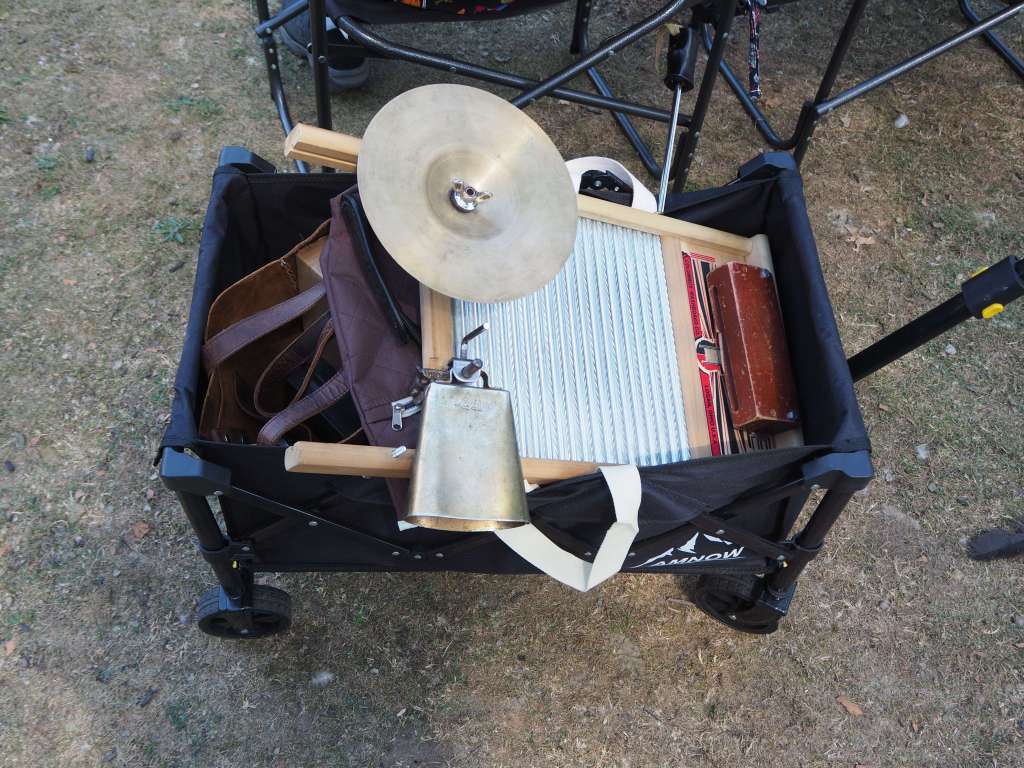
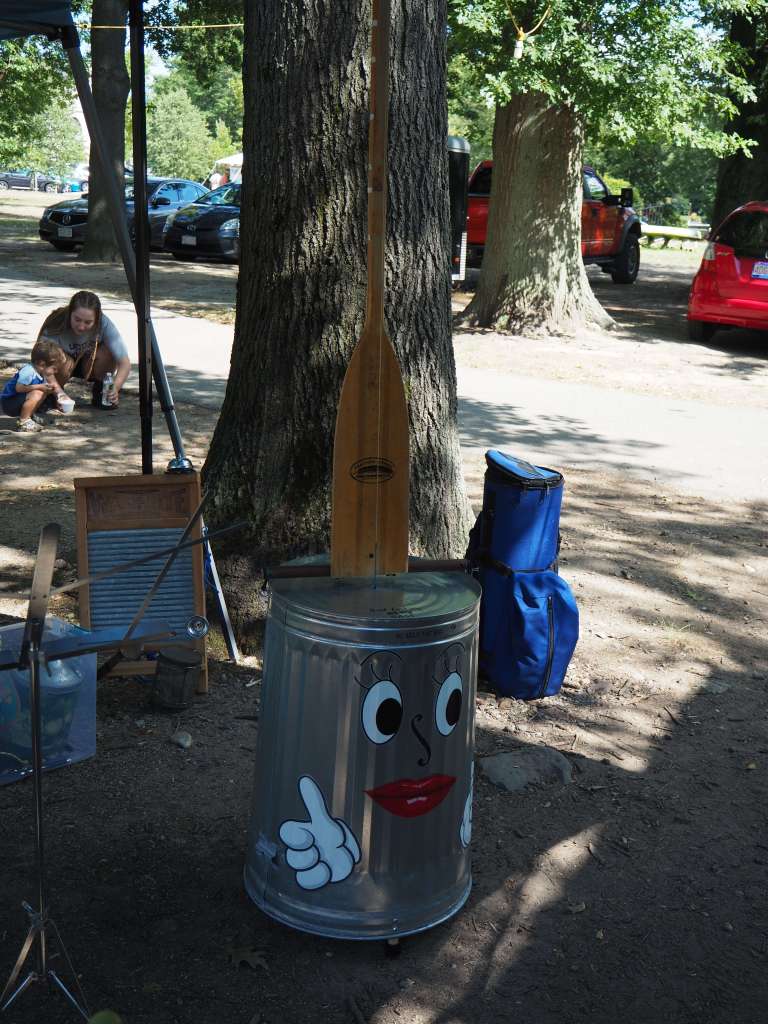
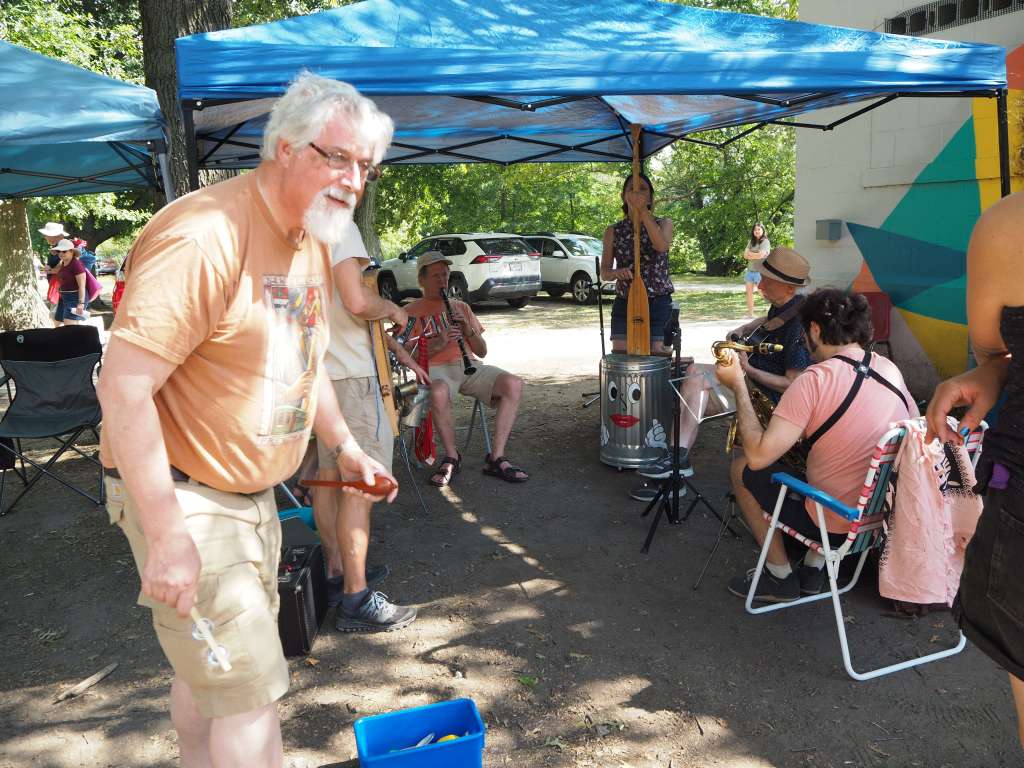
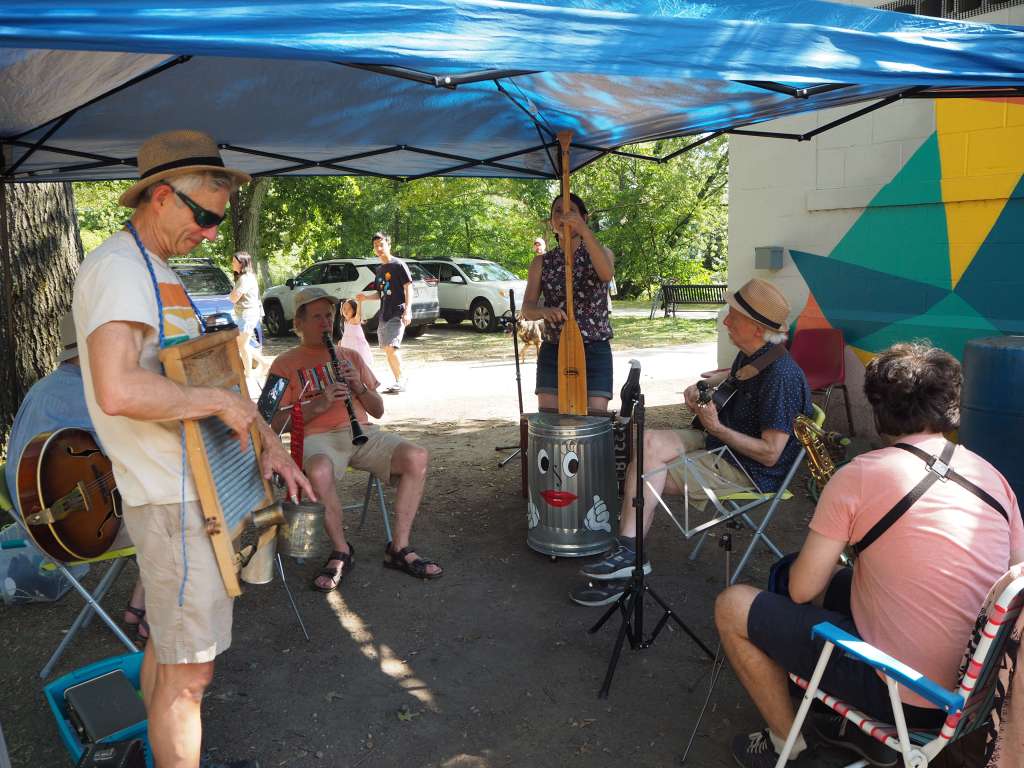
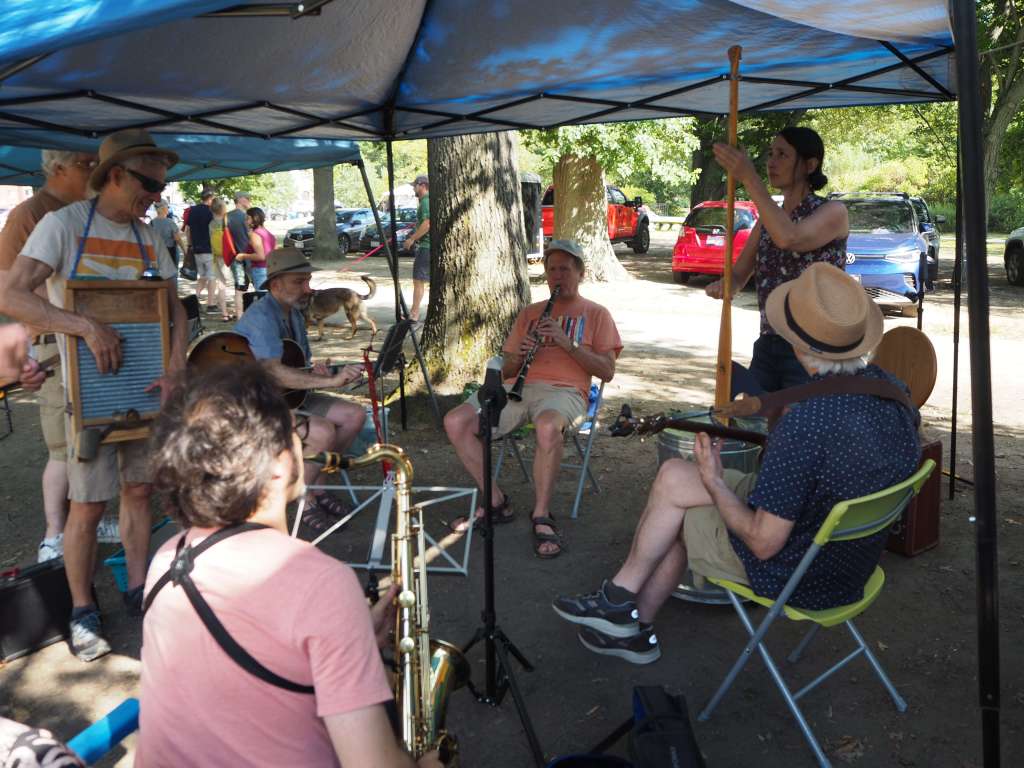
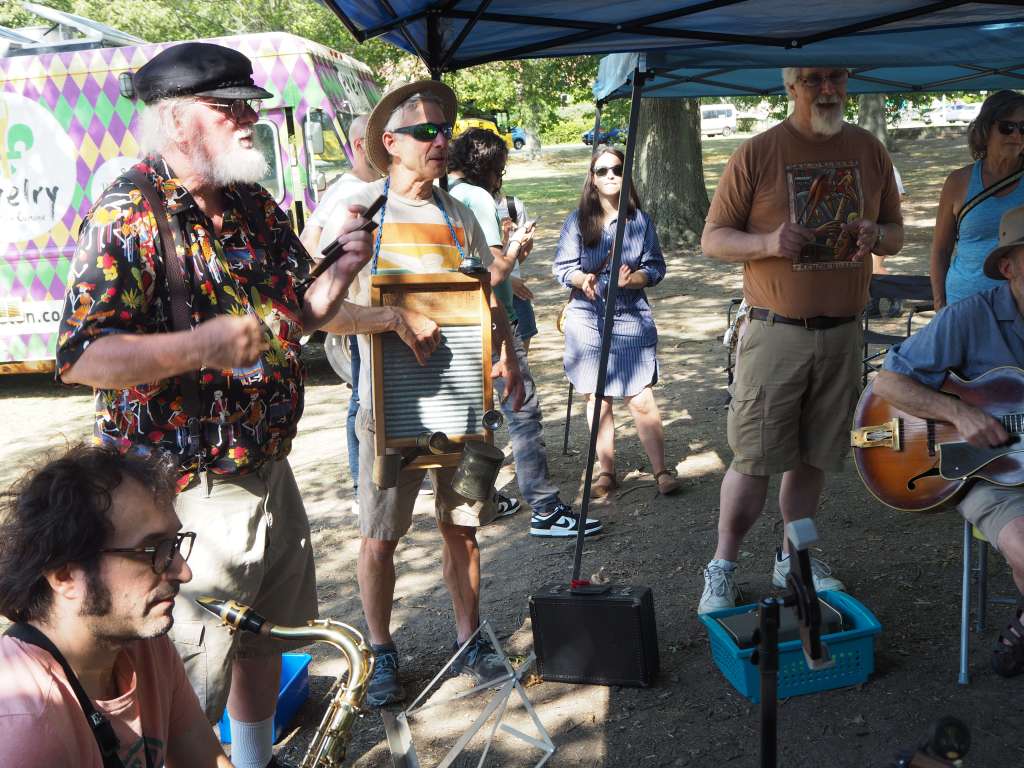
You know what can solve world issues? Jug bands! I challenge you to watch the clip below and not smile. Its even better in person! While this is a blog article about this two day event, if you want a much better article about the Jazz Festival, check out Gotta Know Medford’s write up, it’s simply outstanding. Residents are lucky to have this site serve Medford Massachusetts! https://www.gottaknowmedford.com/bay-state-hot-jazz-festival-coming-to-medfords-condon-shell/
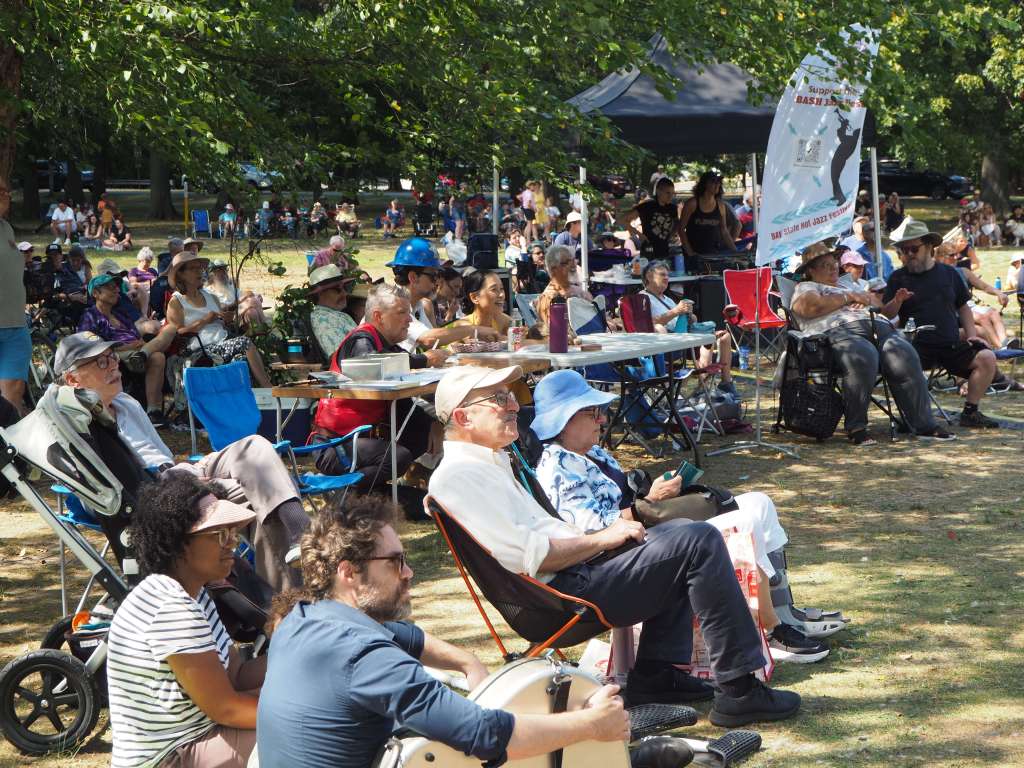
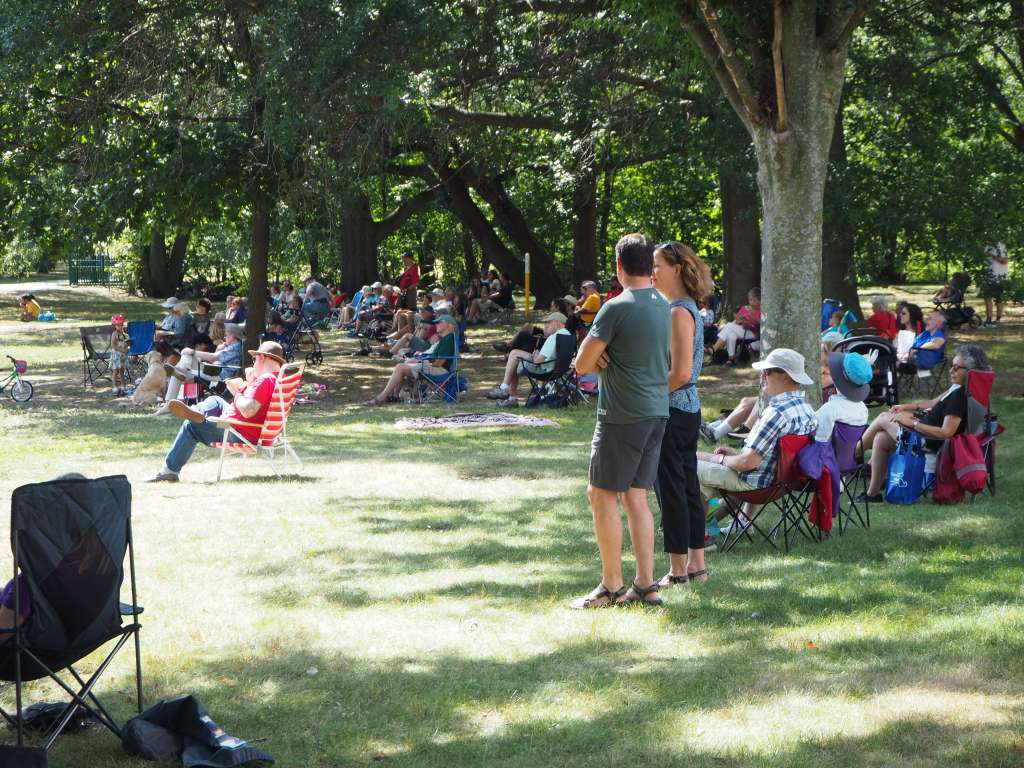
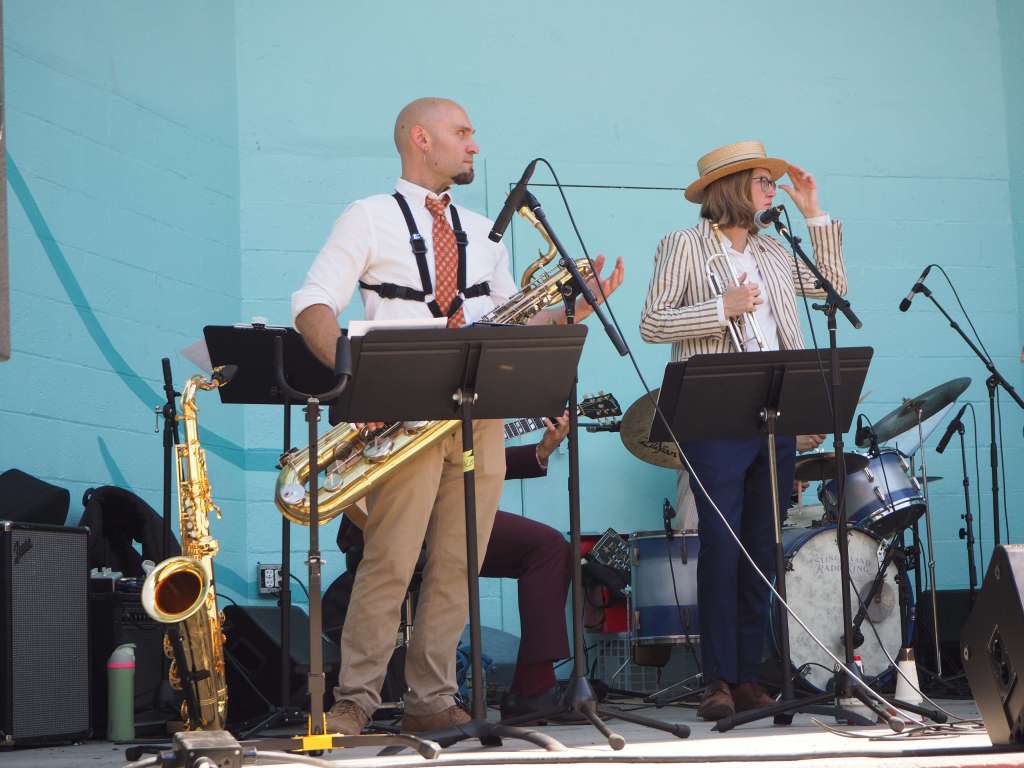
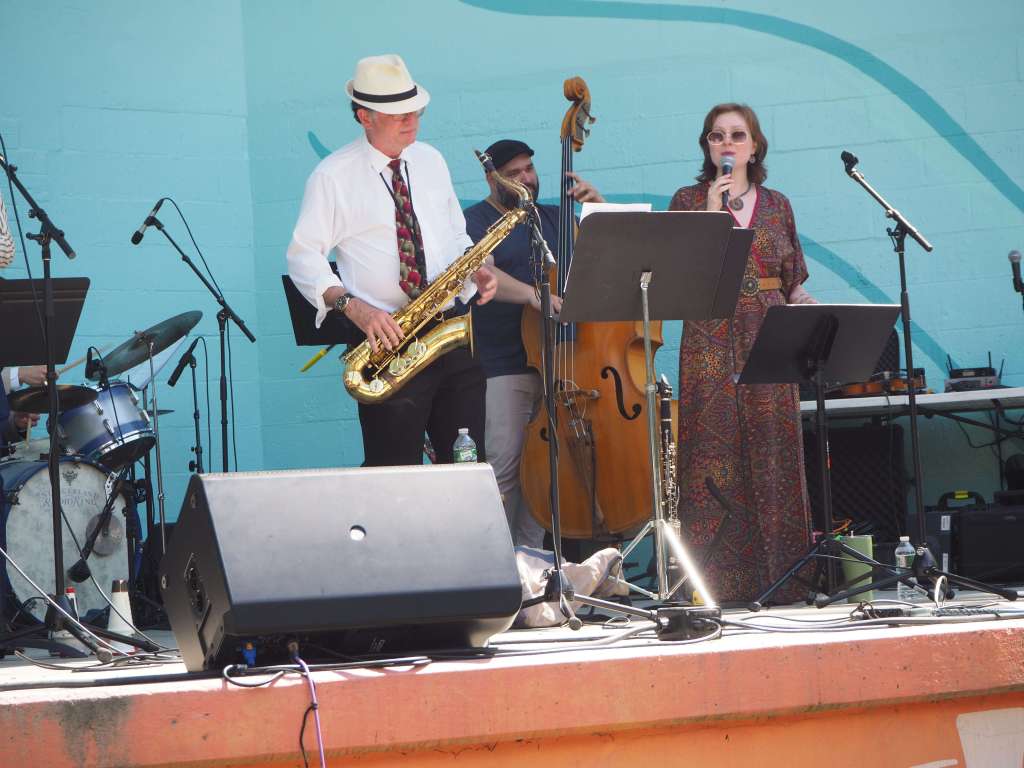
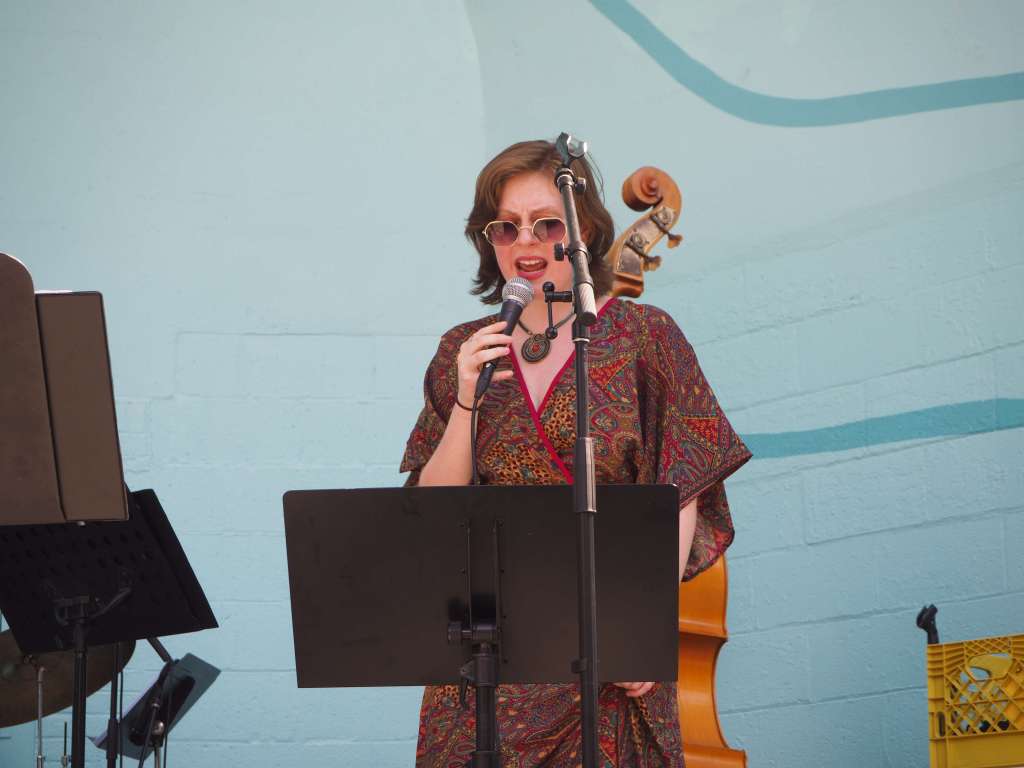
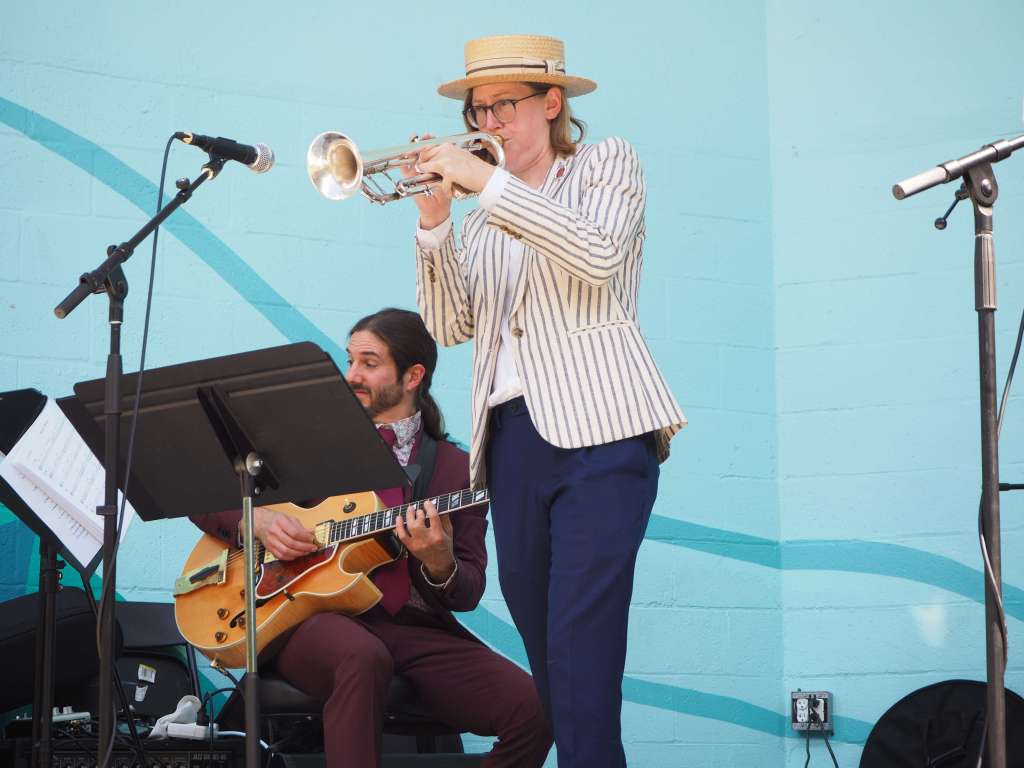
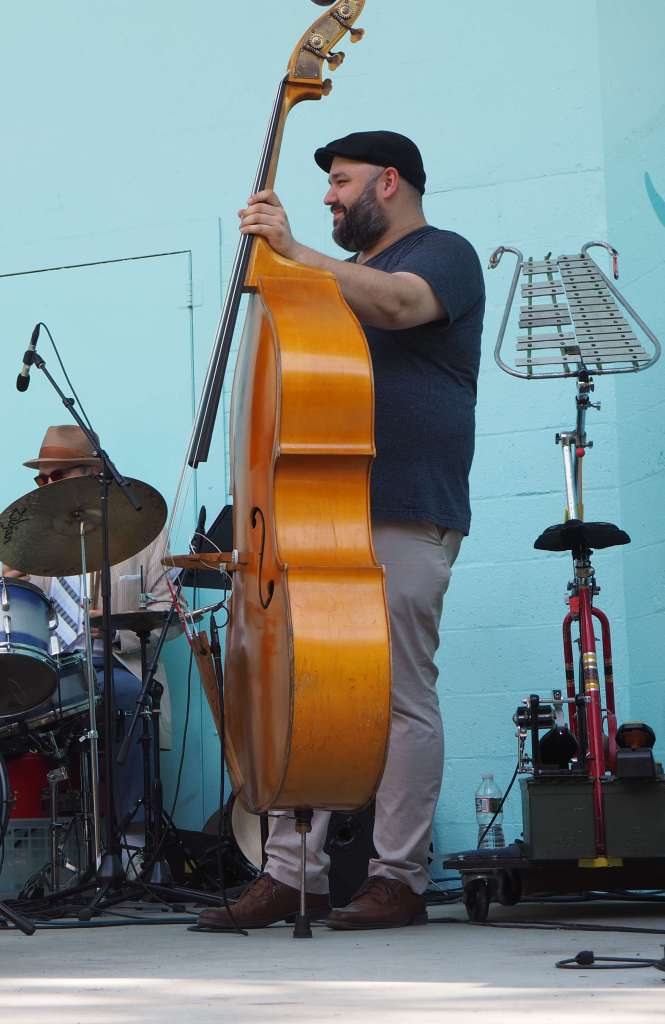
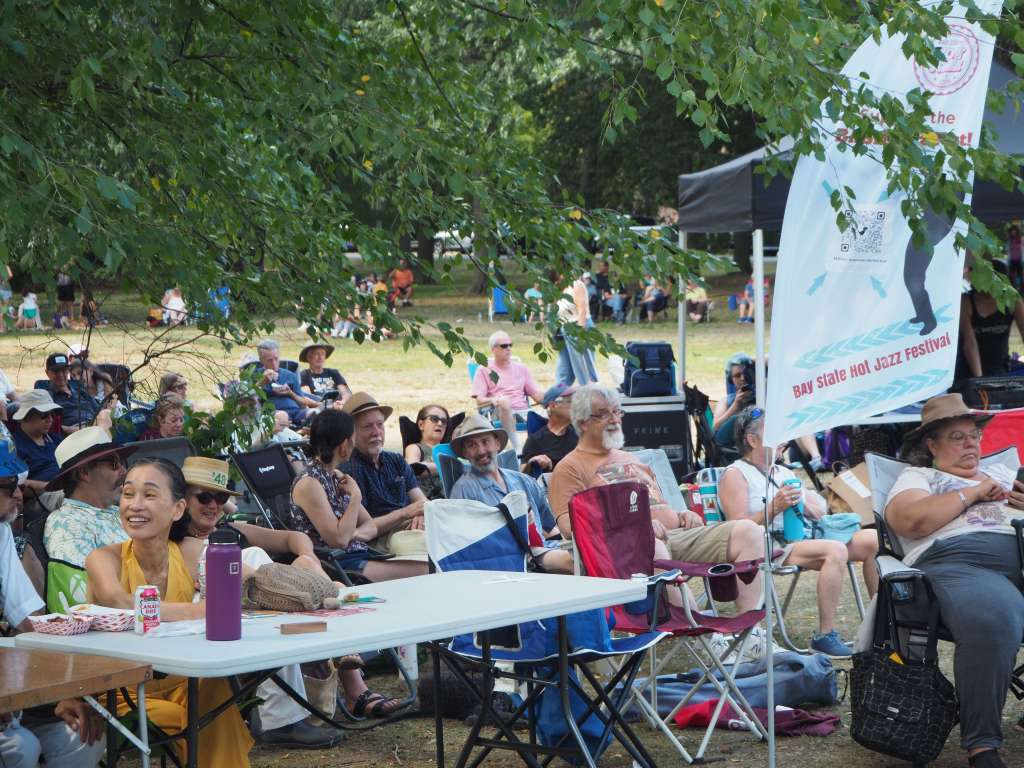
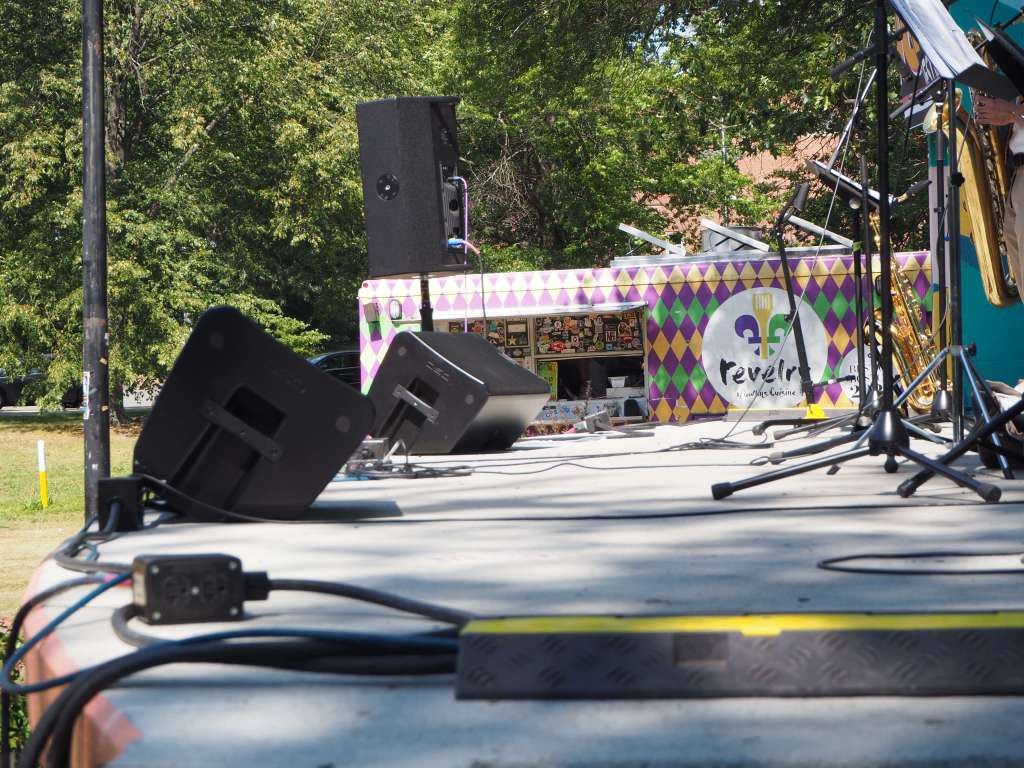
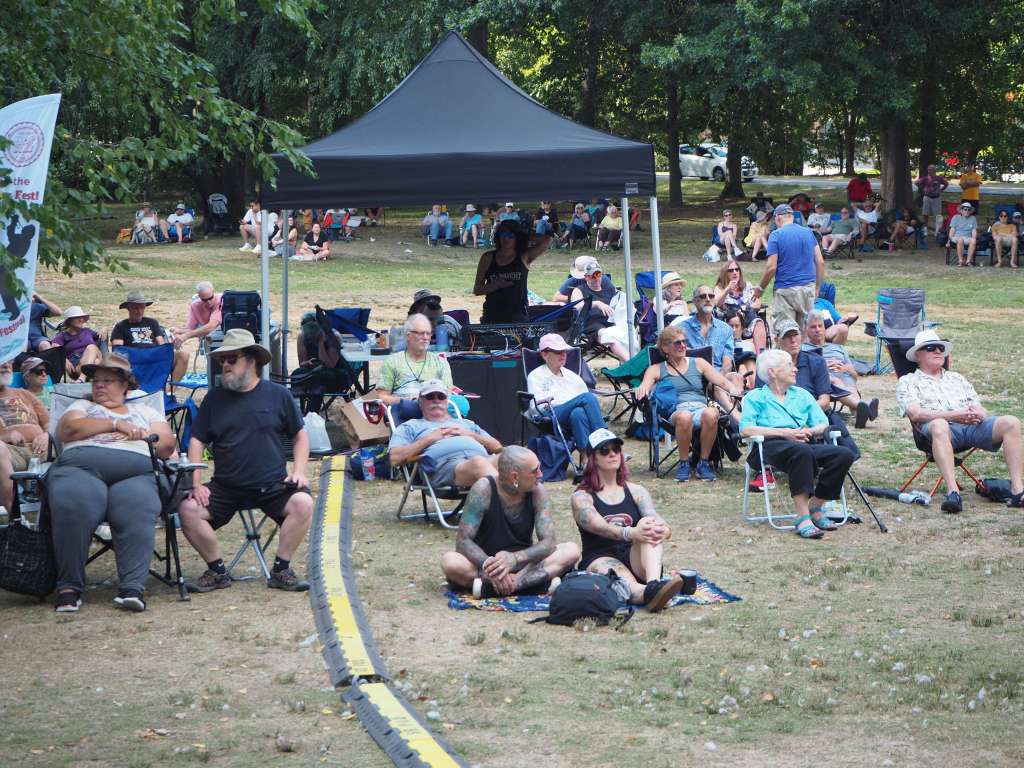
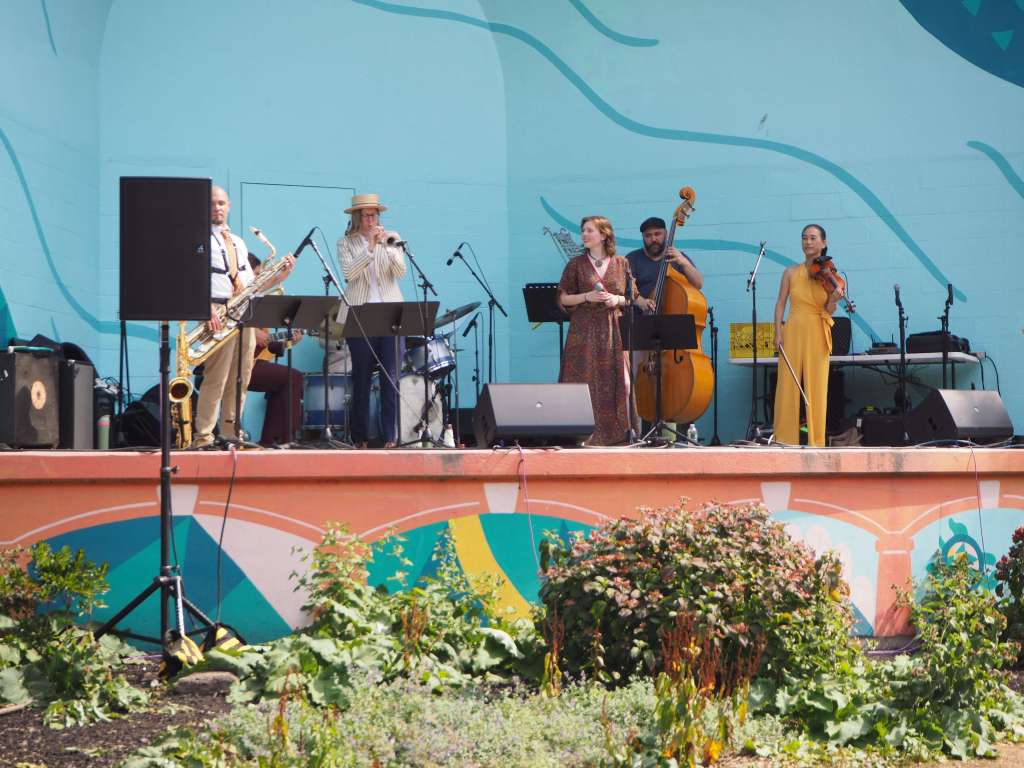
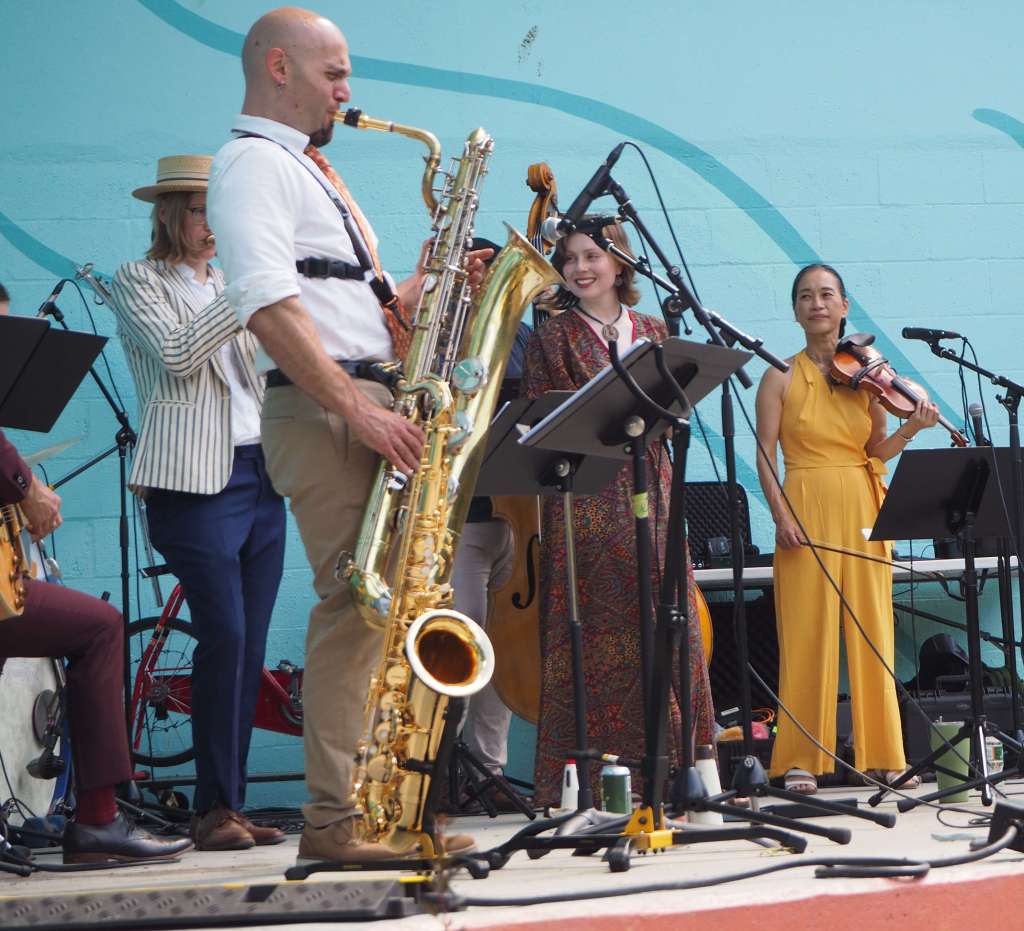
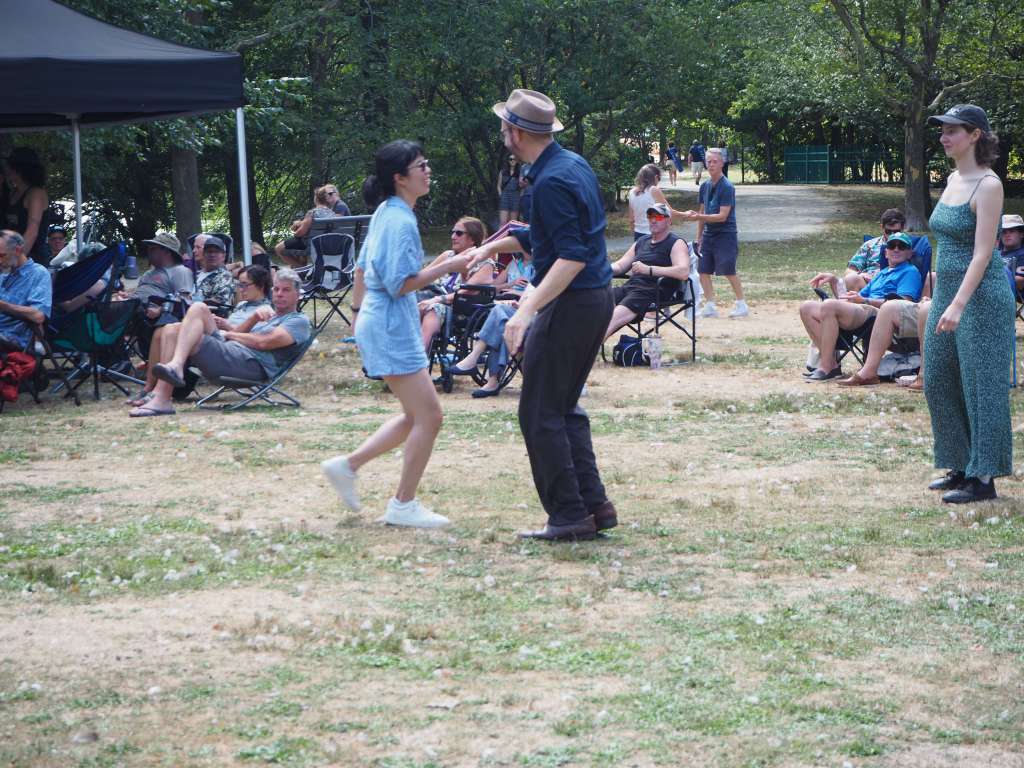
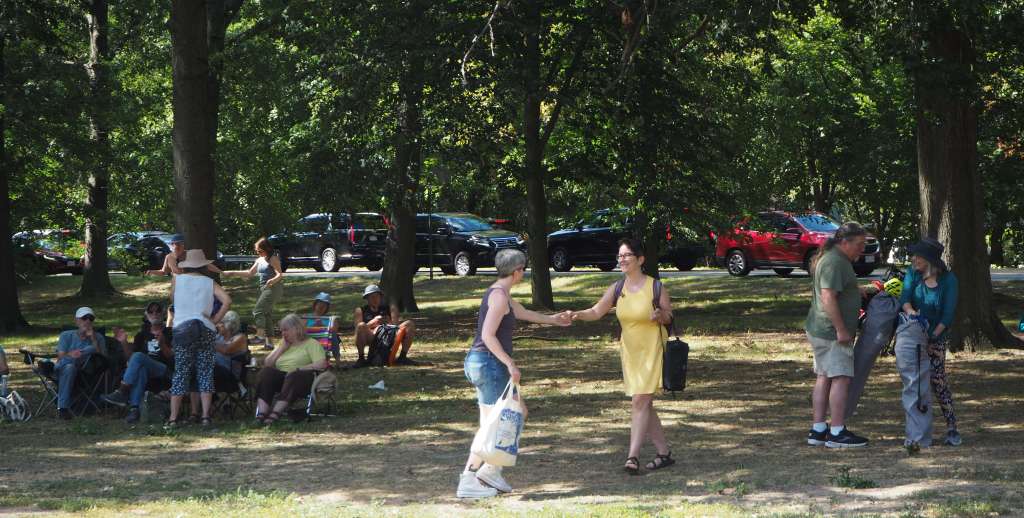
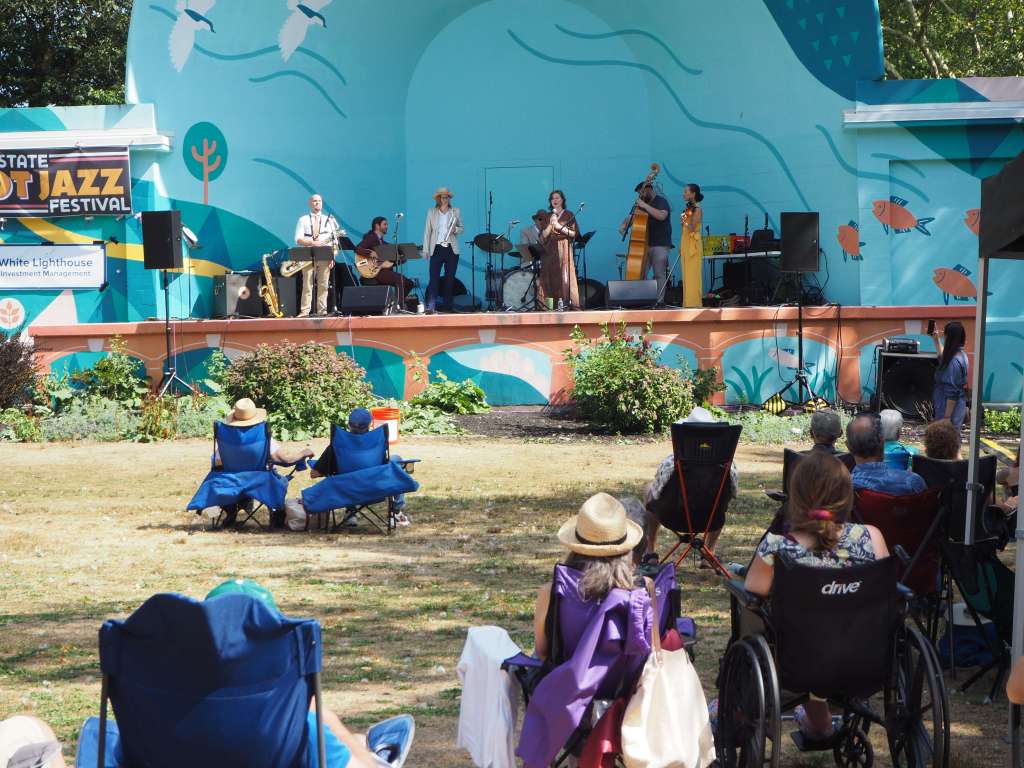
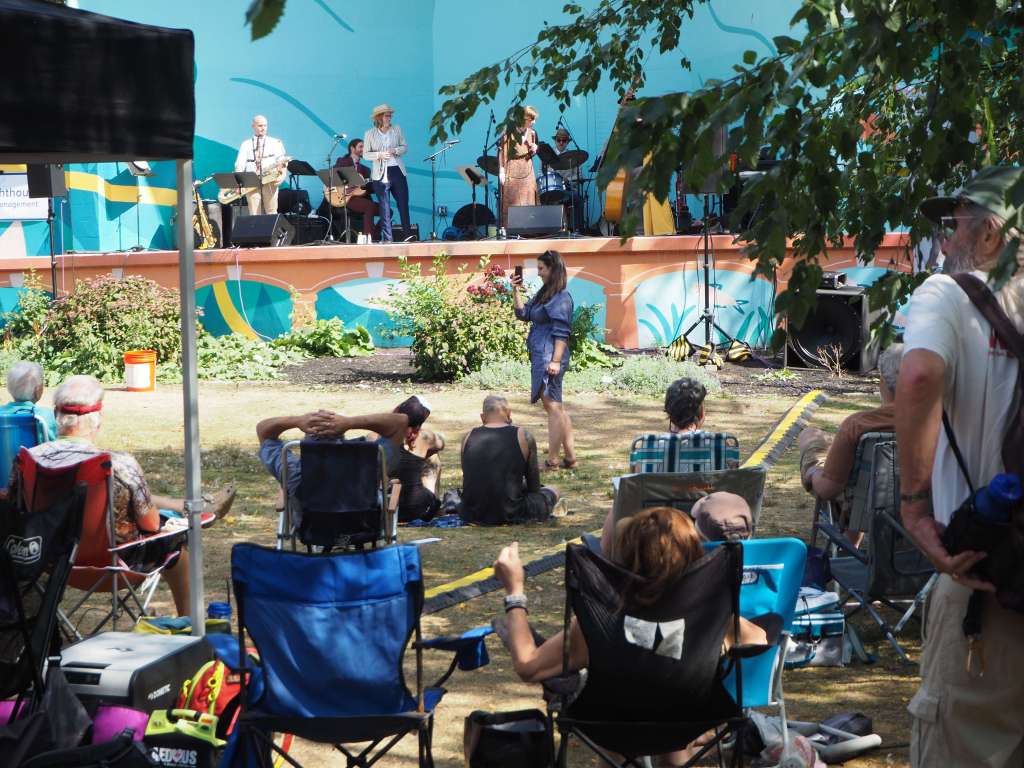
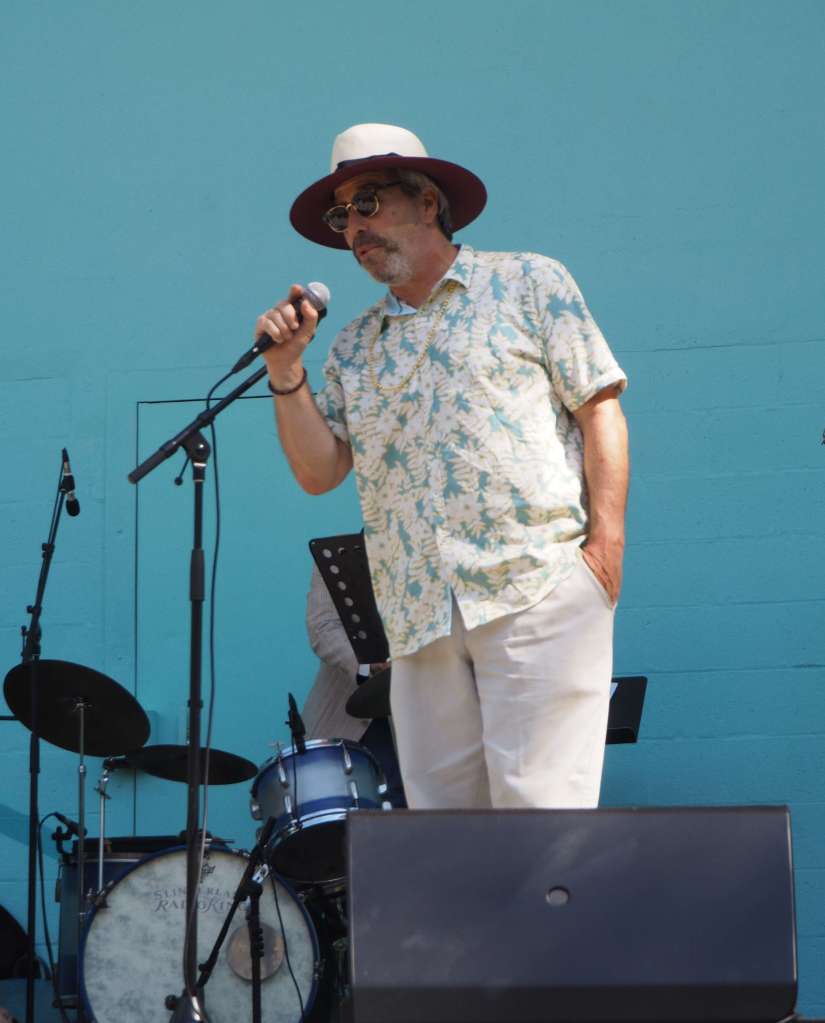
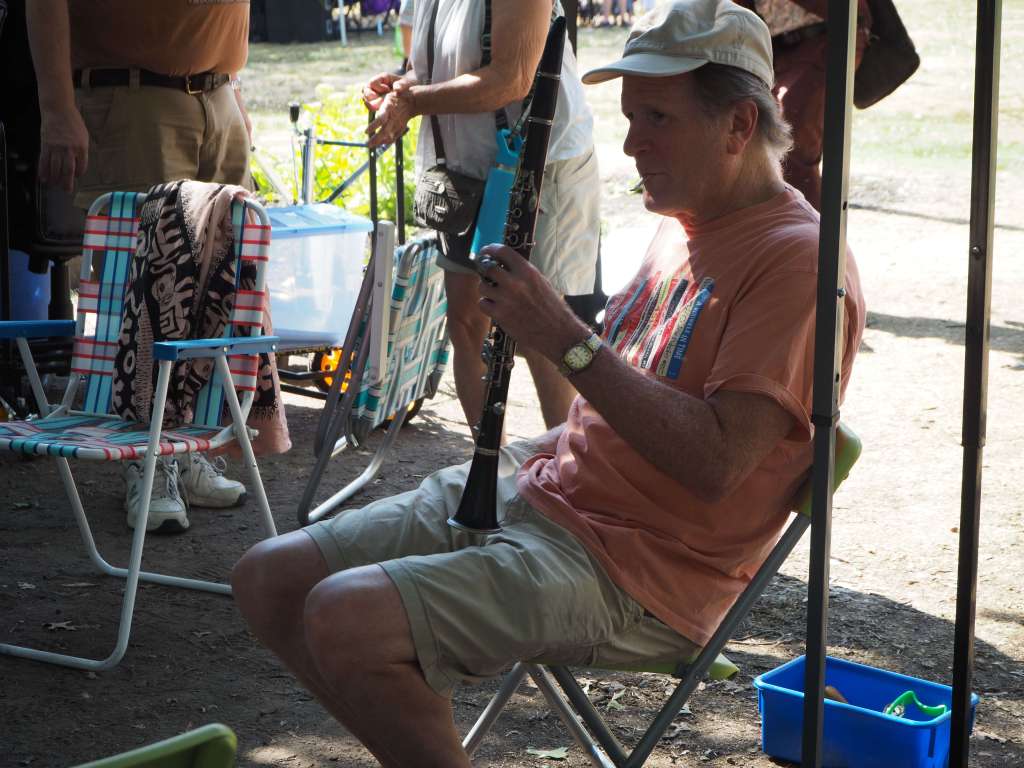
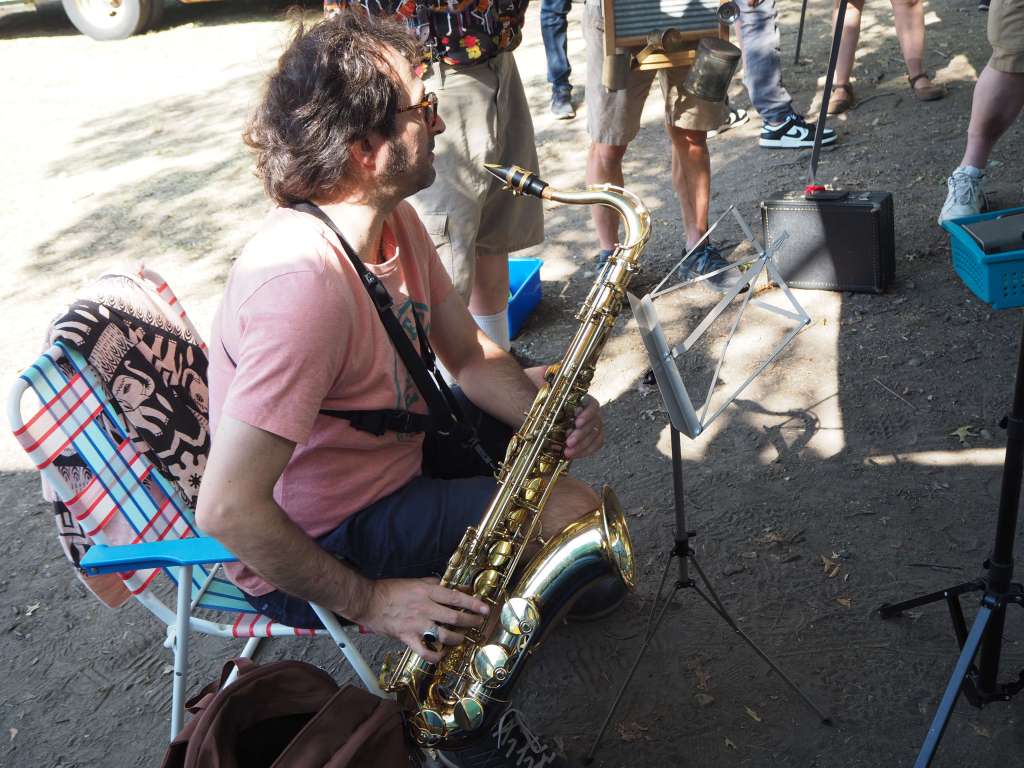
This month has been an embarrassment of riches! Last week we had the Medford Jazz Festival, this week its the Bay State Hot Jazz Festival. There are very much different jazz styles between the two events. This weekend event was more in the style early jazz. Think Django Reinhardt, Sidney Bechet, even a little ragtime. It can’t be stressed at the level of musicianship of the bands who played yesterday and who will be playing today. This event was very popular, there were roughly 250+ all under the shades provided by the trees at the Condon Shell.
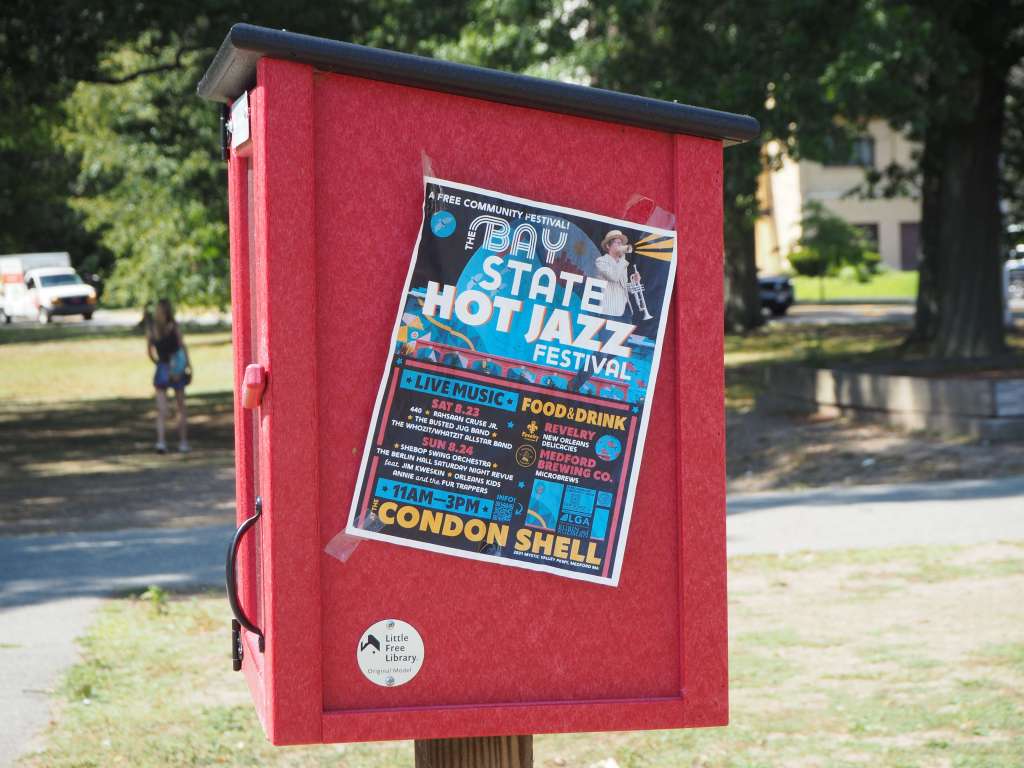
There have been questions about why this event doesn’t go beyond 3pm. The simple reason is the Condon Shell is made of cement and as it aborbs the suns rays at the height of the day, by 4 or 5pm, it would literally cook the people on the stage. It is both literally and figuratively “hot” on stage! Check out the poster for the line up.
Day two is kicking off at 11am, hope to see you there!
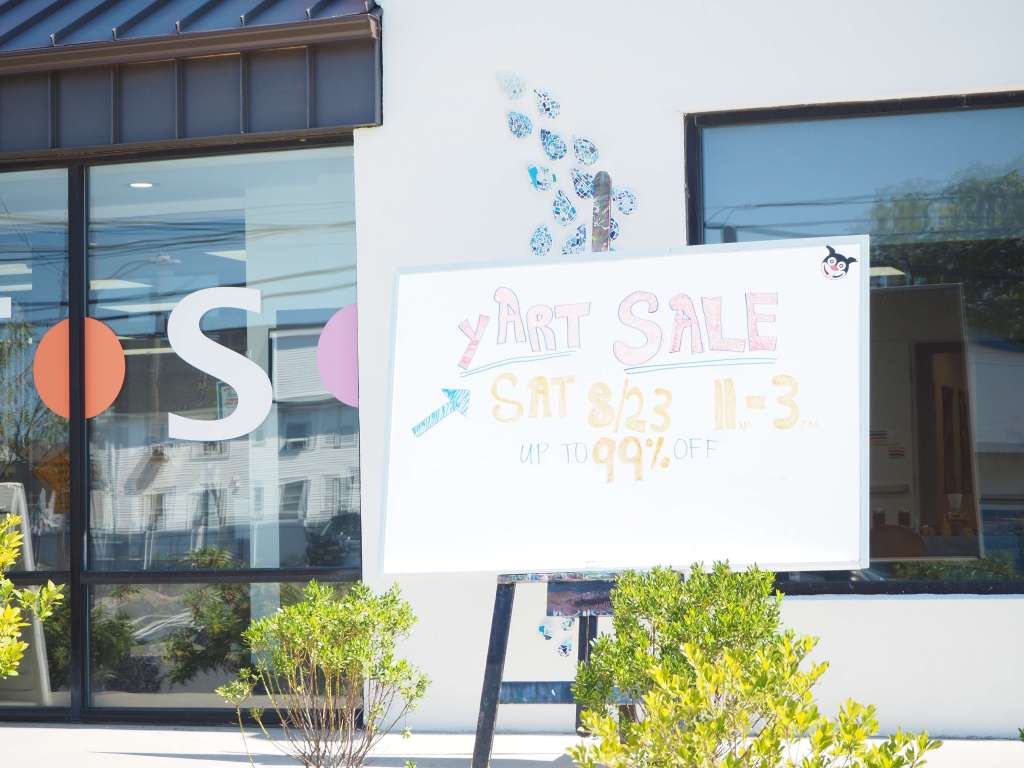
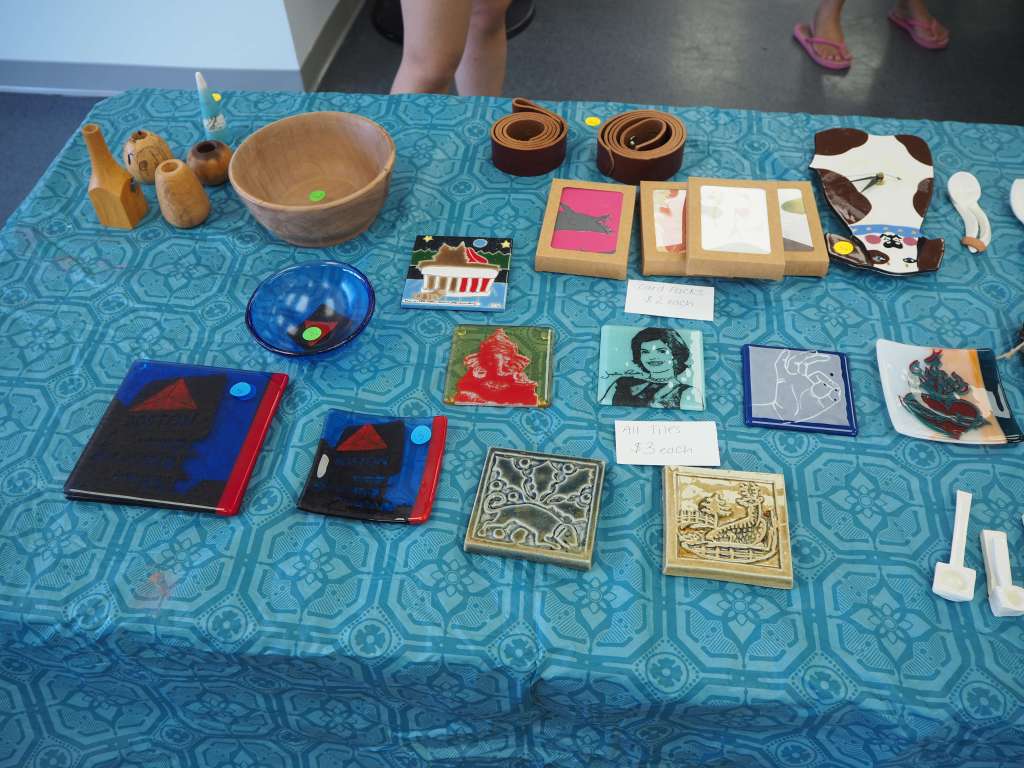
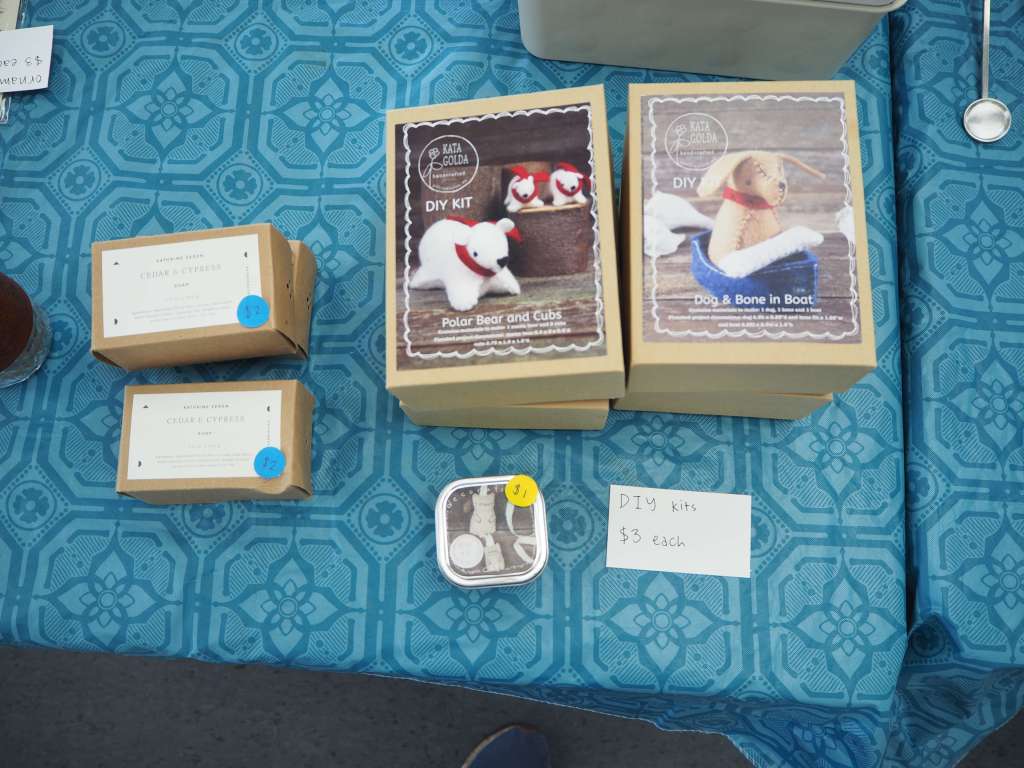
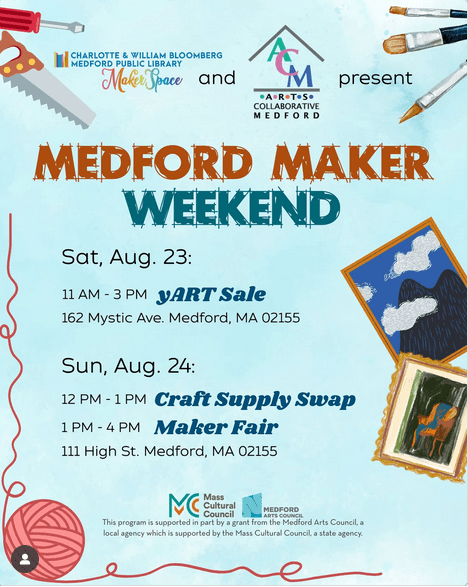
This weekend was full of two day events. The Arts Collaborative Medford (ACM) and the Medford Public Library combined forces to host both the yART sale yesterday (see below) and the Craft Supply Swap AND Maker Fair TODAY! We look forward to covering both events and this is an opportunity to bring in your extra or unused crafts material, such as fabric, yarn, sewing items, etc. Maybe you bought a 5 gallon tub of glue at Costco and no longer need the 3 or 4 gallons left over? Bring it to the swap, someone could use it.
The swap is for only one hour (Noon to 1pm). The Maker Fair becomes the highlight of the day. Also note, while this is the highlight of the year, the Maker Fair is featured at the library every week. Please check out their events calendar for the next event – https://medfordlibrary.org/events/
yART SALE RECAP
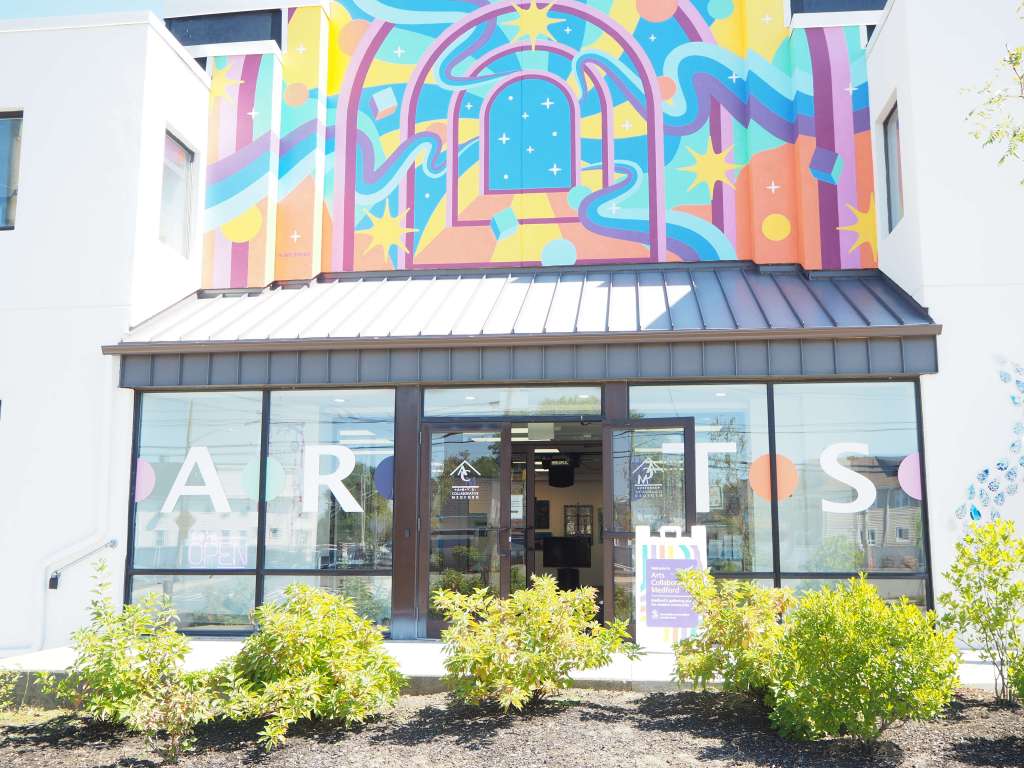
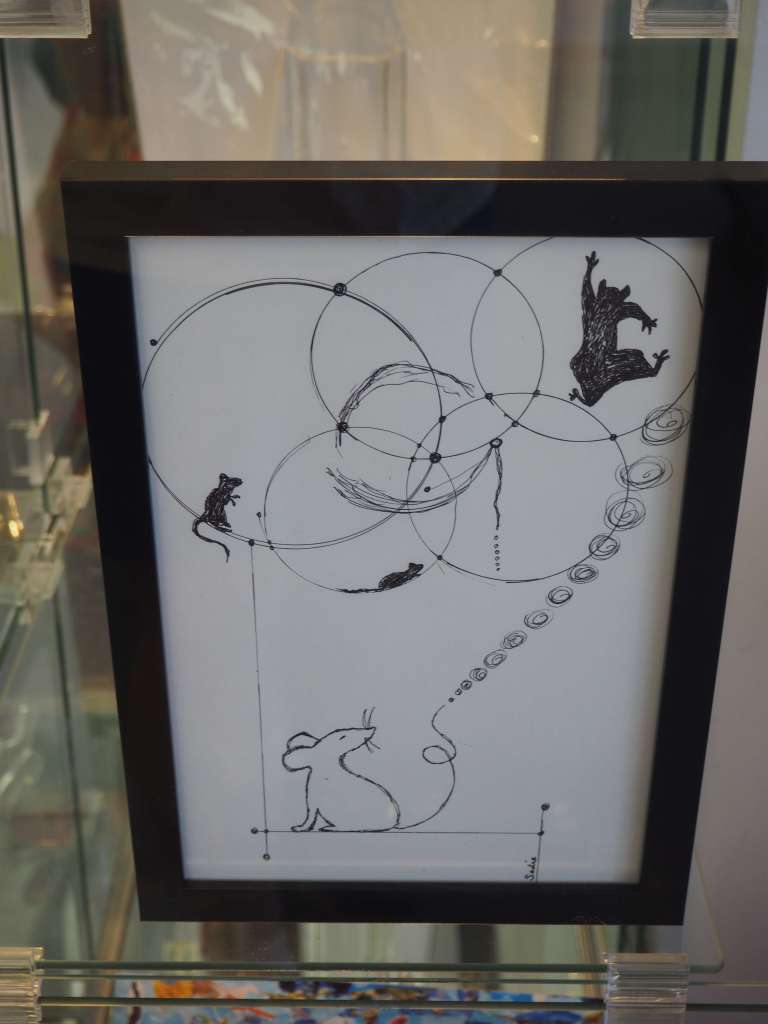
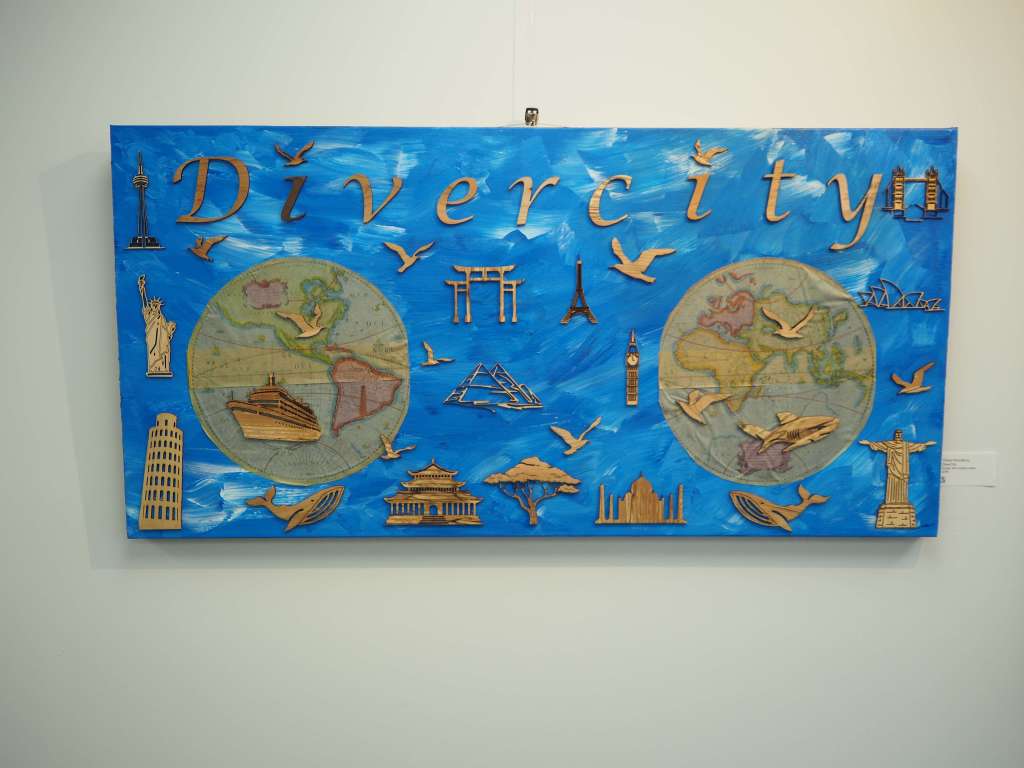
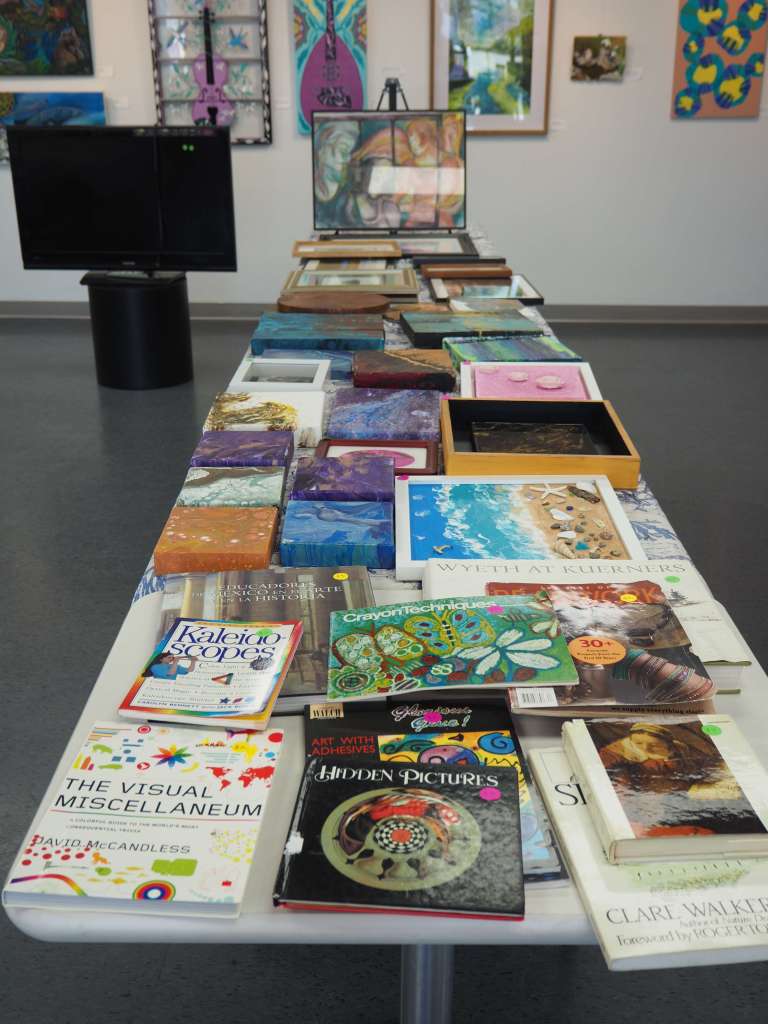
Yesterday was a great day to find yourself at the Arts Collaborative Medford (ACM) for the yART sale. Yes like a yard sale, folks brought in art items such as paintings, photos, crafts, handmade cards, things that no longer have a home in the home. Folks brought in their items and as an added bonus, students from Tuft’s University (pictured above) gave their time to help with the sale. It was also so much more than just helping with the sale, they went outside to clean up trash around the building. The residents of Medford were fortunate enough to have these folks donate their time for this event. THANK YOU!
Regina Parkinson pictured on the left.
Also, thanks to Regina Parkinson, the director of the ACM for helping to organize this event. If you haven’t been to the ACM on Mystic Ave, you really owe it to yourself to make a trip, there is plenty of parking!
Join us at Arts Collaborative Medford for a one-day-only yART Sale featuring original art, prints, frames, and office supplies—all priced to go! It’s a treasure hunt for creatives, collectors, and bargain lovers alike, with every purchase supporting our community arts center. The sale is perfectly timed ahead of the Maker Expo and Craft Supply Swap at the Medford Public Library on Sunday 8/24. Stock up, save big, and support local arts all in one go!
The Bay State Hot Jazz Festival (previously known as the Medford Trad Jazz Festival) was founded in 2023 and is a FREE community festival featuring 8+ traditional jazz bands from all over the country, all together in one place for two amazing days and nights, raising the roof with set after set of incredible music.
“I know there’s people that are not happy with the override[s]. I know there’s people that can’t afford it.” – The Mayor, May 27, 2025 Regular Meeting of the City Council
In this clip, from the June 24, 2024 meeting of the City Council, Nick is speaking on another request from the mayor for a free cash appropriation. This time it was $8,000,000.00 from our balance of over $20,000,000.00 for capital improvements. The request indicated the money would be used for street and sidewalk improvements, Oak Grove Cemetery repairs, and equipment and vehicles.
The ballot question regarding DPW override money sought $500,000.00 for “additional staff for road and sidewalk infrastructure repair.”
The million-dollar (or $500,000.00) question is why taxes had to be raised to accommodate a $500,000.00 need for DPW hiring when we had many millions of dollars in free cash that could have been used instead?
Was our city’s bond rating at risk if we appropriated this money from free cash? Councilor George Scarpelli asked the Mayor’s Chief of Staff this question directly. She expressed no such concerns that the $8,000,000.00 appropriation would adversely affect our bond rating. So $500,000.00 at the time of the overrides would have?
Another Councilor, who accused Nick of wasting the Council’s time for raising his concerns at the meeting and delaying discussions on a paper pertinent to international relations, attempted to make the distinction that the $8,000,000.00 would be for onetime expenses while the $500,000.00 was for the recurring expense of paying salaries, and that we cannot use free cash for anything more than onetime expenses.
The Massachusetts Department of Revenue (DOR) merely certifies how much a city has in free cash. Certification does not turn on how a city intends to spend its certified free cash. While DOR guidelines suggest that cities avoid using free cash for anything more than onetime expenditures, ultimately, it’s the city’s decision on how it wishes to spend its free cash. The rationale behind this advice is protecting the city’s bond rating. If too much free cash is spent too quickly, the city’s bond rating will be adversely affected.
Supporters of overriding Proposition 2 1/2 did not make this subtle distinction on free cash widely known. Free cash was ruled off the table entirely as a viable alternative, which mislead the public into thinking it was a non-option.
So ask yourselves, residents: If the $8,000,000.00 appropriation approved by the Counsel by a vote of 5-2 did not raise concerns about our city’s credit, why did $500,000.00 at the time of the overrides? Note that we had millions of more in free cash at the time of the overrides, spent down to about $20,000,000.00 subsequently. No studies were done before the vote on how our bond rating would be impacted, if at all, if free cash were used as a substitute.
Raising taxes should be our last resort, not our first. As acknowledged by the Mayor, Medford residents are hurting as a result of the decision to hike taxes in Medford. Vote for a candidate who is going to conclusively rule out every alternative to raising taxes to meet funding needs before he even starts thinking about increasing your tax bill.
Post with permission from Nick Giurleo’s facebook page.
The following is taken from Nick Giurleo’s facebook page. Nick is constantly posting his position and the things he would like to change if elected to the Medford City Council. He provides a great opportunity for not only information sharing but also to listen to your concerns. You will find that a majority of what is being posted is most likely something you agree with. Most importantly, he acknowledges that not everyone is going to agree on everything, that is not the point, the point is to come to a solution that works for everyone. For his daily posts please check out his public facing facebook page – https://www.facebook.com/profile.php?id=61575246882228
His post on Prop 2.5:
Did you know members of the City Council have criticized the existence of the state law that limits how much you pay in property taxes each year? For example, in one housing survey, Council President Zac Bears called for “an end to the restrictive Prop. 2.5 [sic] property tax regime.” In this same comment he also called for rent control and transfer fees, as well as the granting of home rule petitions to give municipalities “significantly more power” to achieve these ends.
President Bears, most of his colleagues on the Council, and his slate have vocally criticized Proposition 2.5, the state law enacted by referendum that caps the amount taxes can be raised in a single year by a municipality to 2.5% of the value of all taxable property absent a referendum to “override” it. In the Our Revolution Medford “People’s” platform, for instance, Proposition 2.5 is described as being part of a “flawed system”. The platform suggests it is flawed because it prevents municipalities from levying taxes without restriction, and spending with abandon.
Proposition 2.5 is by no means a perfect statute, but the principle that there should be a limit on how much you have to pay in property taxes each year is a good one. A vote to reelect the councilors who have criticized the mere existence of Proposition 2.5 is all but assuredly a vote for future overrides. It is also a vote for candidates who are not listening to residents concerned about staying in their homes due to how high their tax bills are.
Support Nick, a candidate who thinks high taxes is a major obstacle to affordability in Medford. When elected, Nick will ensure our city exhausts every alternative to raising taxes before even beginning a discussion on whether doing so is necessary.
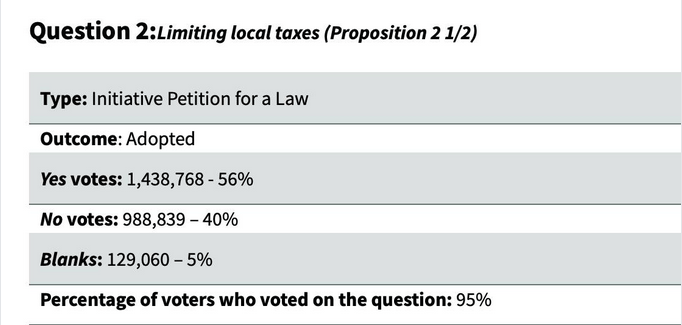
In other words, raising taxes should be our last resort, not our first. The photo below is a summary of the results of the 1980 referendum on Proposition 2.5 from the Massachusetts Secretary of State website.
Saturday’s event will be held at the ACM headquarters on 162 Mystic Ave. Sunday there will be a craft supply swap, for this event come bring your little used or extra yarn, sewing items, cloth, etc and exchange for items you can use. This event will culminate in the Maker Fair from 1pm to 4pm at the Medford Public Library.
For those who missed the Friends of the Medford Public Library podcast, we had interviewed Mouse, who is coordinating this event. You can hear a more detailed description of this event here – Friends of the Medford Public Library Podcast.
As the saying goes, the devil is in the details. This is an essay.
When a zoning ordinance is publicly described as “passed,” it creates a powerful but potentially misleading perception of legal finality. Residents assume the law is settled, enforceable, and grounded in due process. But in Medford’s case, that label masks critical gaps: missing certified maps, absent infrastructure studies, and a reliance on a non-binding digital viewer. The word “passed” becomes a rhetorical shield, deflecting scrutiny while enabling discretionary enforcement and undermining public oversight. It’s not just semanticist’s a distortion of civic reality.
Summary: Medford’s Zoning Overhaul A Simulation of Reform
I. The Illusion of Zoning Reform
Medford’s zoning update was presented as a modernization effort, but in reality, it functioned as the development of a digital product, not a legally binding zoning ordinance. The centerpiece of this effort is the Zoning Viewer, built by Innes Associates and managed by the Office of Planning, Development & Sustainability under Alicia Hunt. And paid for by us.
The Zoning Viewer is explicitly labeled as “not an official reference” and is “subject to ongoing updates.” Source: Zoning Viewer disclaimer
The platform is built on GIS layers, not on legally adopted ordinances. It visualizes proposed zoning, but does not enforce it.
The city does not fully own or control the platform. It was developed by external consultants, and its data is not embedded in the city’s legal code.
This means that residents were shown a simulation of zoning, not an actual zoning map backed by enforceable law.
II. Key Actors and Their Roles
Alicia Hunt Director of Planning, Development & Sustainability. She merged sustainability, zoning, and economic development into one office and drove the tech-based planning approach. Her background in systems thinking shaped the zoning process into a digital-first initiative.
Innes Associates Consulting firm hired to lead the zoning overhaul. They built the interactive viewer, drafted amendments, and advised on MBTA Communities Act compliance. Their work was funded publicly but lacks transparency and enforceability. Contracted Attorneys Zoning attorneys brought in to guide the recodification process. Thier involvement gave legal cover to the viewer’s narrative, but critics argue the substance of reform was hollow focused on language, not land use.
Mayor Breanna Lungo-Koehn Approved the restructuring of the planning office and supported zoning changes that enable vertical development. Her administration has remained silent on concerns about enforceability and infrastructure evaluation.
Our Revolution Medford (ORM) Political organization that endorsed councilors who promoted the zoning viewer as progressive reform. ORM-backed councilors Zac Bears, Kit Collins, Matt Leming, and Anna Callahan have framed the viewer as a zoning solution, despite its lack of legal authority.
III. The Political-Tech Convergence
The zoning process was technocratic, not democratic. It prioritized digital tools and optimization over community-led planning.
ORM-backed councilors used the viewer to centralize messaging, often dismissing dissenters as misinformed or obstructionist.
Public engagement was treated as data collection, not policy shaping. Resident input was used to refine the product, not the ordinance.
Required studies shadow impacts, parking audits, infrastructure stress tests were skipped, despite being mandated by the city’s own comprehensive plan.
IV. Public Awareness and Resistance
While some residents have raised concerns, few have realized that the zoning itself is not legally real:
Medford Community Conversations (MCC) has challenged the proposals but has not yet fully exposed the viewer’s lack of legal standing.
Residents have led info sessions pointing out procedural gaps and missing studies.
Critics have noted that “mixed-use” zones lack enforceable commercial requirements, and lot sizes were reduced without infrastructure analysis.
V. Why the Ordinance Is Not Enforceable
Despite being formally adopted, Medford’s zoning ordinance lacks enforceability due to several structural and procedural failures:
Ordinance vs. Viewer Disconnect The interactive Zoning Viewer is the public-facing tool used to communicate zoning changes. However, it is not legally binding. Zoning law must be static, codified, and enforceable not fluid and subject to revision without legislative process.
Lack of Codified Mapping Zoning ordinances must include official zoning maps adopted by vote and filed with the city clerk. In Medford:
The viewer map is not legally adopted as part of the ordinance.
The ordinance refers to zoning districts but does not embed parcel-level mapping in the legal code.
Without a certified map, enforcement becomes discretionary, and developers can challenge zoning designations based on ambiguity.
Missing Implementation Mechanisms The ordinance lacks several key components that make zoning enforceable:
No infrastructure impact studies were conducted to support the zoning changes.
No binding design standards or architectural review criteria are embedded in the ordinance.
No enforcement protocols are outlined for violations or noncompliance.
These gaps mean that even if a project violates the intent of the ordinance, the city may lack the legal tools to stop it.
Procedural Vulnerabilities The ordinance was passed through a process that emphasized public engagement and visualization, but not legal precision:
The Community Development Board held hearings, but many proposals were referred without finalized language.
Amendments were made in response to public comment, but not always codified in the final ordinance text.
The viewer was updated independently of ordinance amendments, creating a versioning problem.
This procedural looseness opens the door to legal challenges, especially from developers or residents who claim the ordinance is vague or inconsistently applied.
Legal Precedent and Risk Under Massachusetts law (M.G.L. Chapter 40A), zoning ordinances must be:
Adopted by vote
Filed with the city clerk
Accompanied by certified maps
Clear in language and scope
Medford’s ordinance meets some of these criteria but fails on others. The reliance on a non-binding viewer, the absence of certified maps, and the lack of enforcement mechanisms mean that the ordinance is vulnerable to legal challenge under M.G.L. c. 240, § 14A.
VI. What This Reveals
The zoning viewer is a narrative device, not a legal tool. It shapes perception, not policy.
Public funds were used to build a product that the city does not control or legally enforce.
The zoning ordinance itself remains buried beneath layers of tech, PR, and political messaging.
This is a blueprint for civic tech misuse: simulate reform, consolidate power, and sideline democratic engagement.
The endgame of Medford’s zoning overhaul when stripped of its public-facing narrative is not about land use, housing equity, or community development. It’s about building a flexible, data-driven planning infrastructure that serves political consolidation, economic speculation, and administrative control.
VII. What This Does
Creates a Perception of Reform Without Legal Risk By using a zoning viewer instead of codified maps, the city can claim progress while avoiding the legal and logistical burdens of enforcement. It’s zoning-as-a-service: a visual interface that simulates change without committing to it.
Enables Selective Development The ambiguity in the ordinance allows city officials and developers to interpret zoning flexibly. Projects can be greenlit or stalled based on political relationships, not legal standards. This discretionary power is a tool for gatekeeping.
Centralizes Planning Authority The merger of sustainability, zoning, and economic development under Alicia Hunt’s office creates a single point of control. The viewer becomes a dashboard for managing growth, not regulating it. It’s a shift from public planning to administrative programming.
Sidelines Public Oversight Residents are invited to engage with the viewer, not the ordinance. Their feedback is absorbed into the product, not the law. This transforms civic engagement into user testing, not policymaking.
VIII. Who This Serves
Political Organizations Like Our Revolution Medford (ORM) ORM-backed councilors benefit from the appearance of progressive reform. They can campaign on zoning modernization without confronting the complexities of enforcement. The viewer becomes a political asset an interactive talking point.
Consultants and Technocrats Firms like Innes Associates profit from building tools that cities cannot maintain or own. Their influence extends beyond the contract they shape policy through design. This is the rise of civic tech as governance, not just support.
Developers and Speculators The lack of enforceable zoning creates market fluidity. Developers can propose projects under the guise of compliance, knowing the ordinance is vague. Speculators can invest in parcels based on potential, not regulation.
City Administrators Officials like Alicia Hunt gain operational control. With zoning, sustainability, and economic development under one roof, planning becomes a closed system. The viewer is not just a tool it’s a control panel.
IX. The Broader Implication
This is a prototype for post-democratic urban planning. It replaces law with interface, policy with simulation, and public process with managed perception. It’s not just about Medford it’s a model that could be replicated in other cities under the guise of modernization.
The zoning viewer is not a map it’s a mirror. It reflects what power wants you to see, not what the law actually says.



















































 Medford Happenings